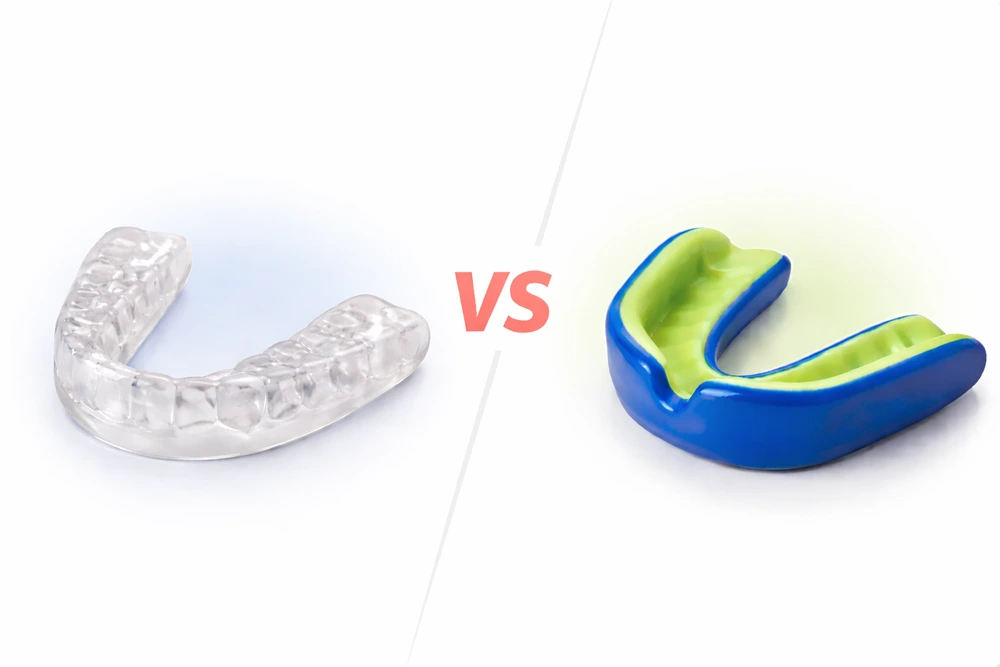
When it comes to protecting your teeth, not all dental guards serve the same purpose. Many people assume that any mouthguard will do, but in reality, different oral appliances are designed for very specific situations. Understanding how these devices work and when they should be used can help prevent long-term dental damage, discomfort, and costly treatments. This is where the topic of night guard vs sports mouthguard becomes especially important.
Teeth grinding during sleep and dental injuries during sport are two very different problems, yet they are often confused. A night guard is designed to manage pressure caused by clenching or grinding, while a sports mouthguard focuses on absorbing impact during physical activity. Choosing the wrong type can reduce effectiveness and, in some cases, cause further issues with bite alignment or comfort.
By clearly understanding the differences between night guard vs sports mouthguard, you can make informed decisions that suit your lifestyle, whether you are dealing with sleep-related grinding or participating in contact sports. This guide explains their unique roles, benefits, and appropriate uses in a clear, practical way.
What Is a Night Guard?
Think of a night guard as a little sleep-time assistant for your jaw. If you habitually clench or grind your teeth at night (a condition called bruxism), the constant pressure can chip and wear down your teeth, not to mention cause jaw pain and headaches. A night guard is a custom-moulded device you wear while you sleep to create a cushion between your upper and lower teeth. It protects your pearly whites from grinding into each other and helps relax jaw muscles.
Why wear one? Aside from saving your enamel, night guards can ease jaw pain and improve sleep. In other words, wearing the right guard every night can prevent the morning-after stiffness, headaches, or cracked teeth that can come from hours of unconscious grinding.
Who needs one? Usually, adults have bruxism or TMJ jaw issues. If you notice jaw soreness when you wake, ask your dentist about a sleep guard.
What Is a Sports Mouthguard?
Sports mouthguards (often called gumshields in Australia) are all about impact protection. They’re the thick, rubbery shields athletes slip over their teeth when playing contact sports or activities with a risk of falls.
Unlike night guards, sports mouthguards are worn during play. They cover your upper teeth and sometimes gums and jaw to absorb shocks from a stray elbow, fall or ball to the face. These guards can be custom-fit by a dentist or “boil-and-bite” types you mould yourself.
Why bother? Because without a mouthguard, a sports collision could fracture or even knock out teeth, injuries that lead to painful, expensive treatments. In short, it’s insurance for a winning smile. Kids and teens in particular are encouraged to wear them.
Custom vs generic. Over-the-counter “boil-and-bite” guards are better than nothing, but a custom-made mouthguard (moulded to your teeth) offers much more comfort and security. At a dentist in Ipswich or anywhere in Australia, you can often get a custom sports mouthguard quickly; some labs even turn them around in a day, ensuring the perfect fit for your unique bite and sport. Compared to generic ones, custom-fit mouthguards stay in place during tackles or falls and are easier to breathe and talk with. This means you’re more likely to wear them consistently, which is crucial for safety.
Key Differences Between Night Guards vs Sports Mouthguards
Although they share the goal of protecting your teeth, night guards and sports mouthguards are built for two very different tasks. Here’s a quick side-by-side:
| Feature | Night Guard (Sleep Guard) | Sports Mouthguard (Gumshield) |
| When worn | At night, during sleep | During sports or physical activity |
| Primary purpose | Protects against teeth grinding and jaw clenching | Protects against impact injuries to the teeth/jaw |
| Fit type | Typically custom-made (or over-the-counter night guards) | Can be custom-made or boil-and-bite |
| Material/design | Thinner, made for continuous wear (hard acrylic or soft resin) | Thicker, shock-absorbing (usually resilient rubber-like material) |
| Usage duration | Worn every night for long-term use | Worn only during games/training (short periods) |
| Examples of users | Bruxers, TMJ sufferers, anyone waking with tooth pain | Athletes in contact sports; kids & teens in sports |
As you can see, a night guard is essentially sleep armour; it shields against the pressure you put on your teeth while sleeping. By contrast, a sports mouthguard is field armour; it guards against external blows and impacts.
Choosing the Right Guard for You
With the differences laid out, how do you know which guard you need? It depends entirely on your situation:
Night-time teeth grinding? Go for a night guard. If you or someone near you notices you grinding at night, or you wake with a sore jaw, ask your dentist about a custom-fit night guard. It can save your enamel and ease headaches. Many Aussies who suffer from bruxism find that a properly fitted night guard can dramatically cut down their morning jaw pain. In fact, a Healthdirect guide on bruxism notes that treatment often involves giving patients a mouthguard or splint to help protect their teeth.
Active in sports? Then get a sports mouthguard. No matter your age, if you play rugby, AFL, basketball, netball, soccer, martial arts or any sport where falls and collisions happen, a mouthguard is crucial. In Ipswich and all over Australia, sports clubs and schools mandate their use. Even sports not traditionally thought of as “contact” can lead to dental injuries. A custom-fit mouthguard is ideal.
Custom vs Boil-and-Bite: If you need a guard, do try to go custom. Both night guards and sports guards are available over-the-counter, but a dentist-made version fits precisely to your teeth and provides superior comfort. For example, a custom sports mouthguard will stay in place during tackles and let you breathe freely, whereas an ill-fitting one can slip and distract you. Similarly, a custom night guard is smoother and less bulky, making it easier to adapt to sleeping with it. Modern dental labs (even in Ipswich) often offer same-day service with digital impressions, so you won’t have to wait long for a tailor-made guard.
Kids and Teens: If you have young athletes, insist on mouthguards. Children’s mouths change fast, so kids typically need new guards every 12–18 months. For teens with braces, a special “braces mouthguard” can be made so brackets and wires don’t stick out.
TMJ or sleep apnea? Sometimes, night guards overlap with other sleep devices. If you have TMJ disorder or jaw pain, a dentist might recommend a night guard with a bite plane. However, note that night guards differ from sleep apnea devices (which advance the jaw to open the airway). Always follow your dentist’s advice for your specific condition.
Never use one type of guard for another purpose. Wearing a sports mouthguard while sleeping won’t help bruxism and may cause bite changes. And sleeping with a rigid night guard in the mouth during a game of footy is a recipe for disaster.
How to Care for Your Guard
You’ve got your guard, now take care of it! A guard is an investment in your dental health, so keep it clean:
- Rinse after every use. After taking off your night guard or mouthguard, rinse it under lukewarm water. Use a soft toothbrush with mild soap to gently clean it periodically.
- Let it air-dry. After washing, leave the guard in an open, ventilated case (ideally one with holes) to dry out. This prevents bacteria and mould. The official advice is to store it in a well-ventilated box and never leave it in a hot place (like a car or sunlight) because heat can warp the plastic.
- Regular inspection. Check your guard before use. If it starts feeling rough, cracked or no longer fits right (especially after dental work or if teeth shift), it’s time to replace it. For children, experts suggest getting a new guard every year or so.
- Dental check-ups. Bring your guard to your dentist appointments. A dentist can spot wear and clean it professionally if needed.
Proper care not only keeps the guard hygienic but also ensures it lasts. A quality guard can protect your teeth for years with good maintenance.
Conclusion
Understanding the key differences between night guards and sports mouthguards is crucial for selecting the right option for your oral health. While night guards are designed to protect teeth from grinding and clenching during sleep, sports mouthguards focus on absorbing impact and preventing injuries during physical activities. Each serves a distinct purpose, and using the appropriate option helps maintain comfort, protect dental structures, and reduce the risk of long-term complications.
Throughout this guide on night guards vs sports mouthguards, we explored how design, materials, fit, and usage vary depending on the specific need. We also discussed why custom-fit options offer superior protection compared to generic alternatives, especially for individuals with bruxism, active athletes, and children involved in contact sports. Making an informed decision ensures both safety and long-term oral well-being.
If you are still unsure which option suits you best, professional guidance can provide clarity. At Raceview Complete Denture Care, we offer custom-fit night guards and sports mouthguards, including same-day solutions where suitable. Book a free consultation today to discuss your needs and take a confident step towards protecting your smile.
FAQs:
What’s the main difference between a night guard and a sports mouthguard?
A night guard is worn during sleep to protect against tooth-grinding and jaw clenching (bruxism). A sports mouthguard is worn during athletic activities to protect teeth and jaws from impacts and falls. In short, night guards defend against self-inflicted damage, while sports guards defend against outside forces.
Are custom-fitted guards really worth it?
Yes. Custom guards (made from an impression of your teeth) offer the best fit, comfort and protection. Health authorities note that custom mouthguards provide “the best protection for the teeth, lips and jaw”. A snug guard is less likely to slip, easier to wear for long periods, and more effective than generic, one-size alternatives.
Should my child wear a mouthguard in non-contact sports?
It’s safest to wear one in any sport where falls or collisions can occur. Even in seemingly “low contact” activities (like skateboarding, BMX, tennis or gymnastics), accidents happen. The Australian Dental Association and sports safety experts recommend a mouthguard for all children and teens during training and games if there’s any risk of head or face impact. Better safe than sorry; it only takes one knock to damage a young smile.