Choosing the right denture type is an important step in restoring both confidence and oral function. Whether you’re replacing a few missing teeth or need a complete solution, understanding your options makes the entire process smoother. Each denture style offers its own benefits, and taking the time to learn about them helps you make an informed, comfortable decision.
Many people feel unsure about where to start, with options such as full dentures, partial dentures, flexible materials, and chrome frameworks; it can all feel overwhelming at first. But with the right guidance, the journey becomes much clearer. The goal is simple: finding a denture that fits well, feels natural, and supports your day-to-day lifestyle.
If you’re exploring the best denture type for your needs in Ipswich, it’s helpful to understand how each option works, who it’s suited for, and what kind of long-term comfort it provides. This foundation ensures you choose a solution that truly supports your smile and overall well-being.
Full Dentures: Restoring a Full Smile
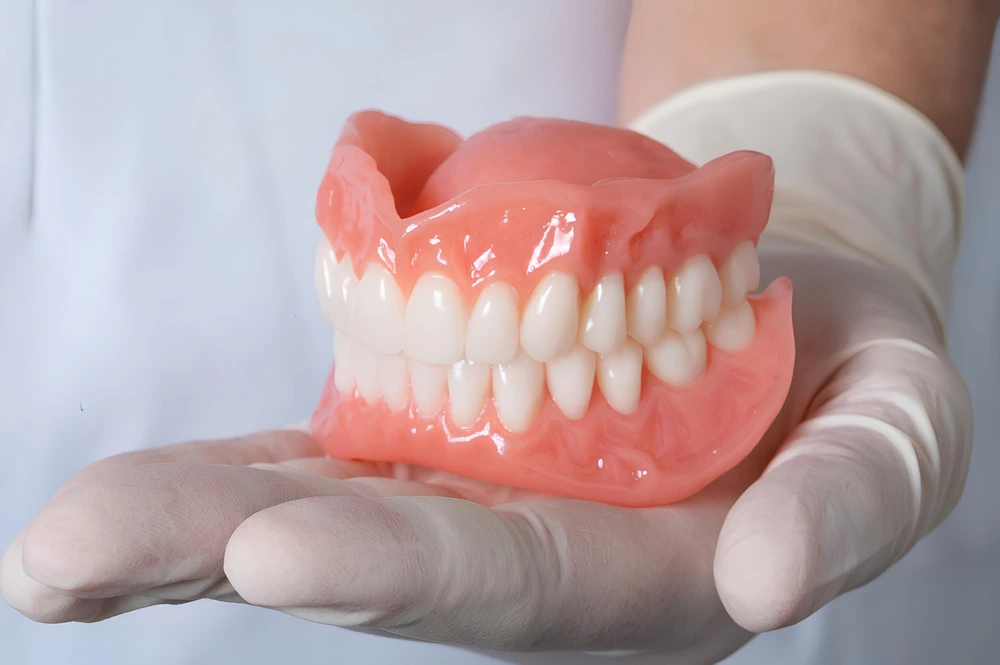
A full denture replaces an entire row of teeth. You’d need full dentures if all the teeth in your upper or lower jaw are missing. Full dentures are typically used when all of the teeth in one jaw are missing, and they’re usually made of durable acrylic (plastic). They sit on your gums and create a whole new set of teeth.
How full dentures work: Your dentist or prosthetist will take molds of your jaw and gums. The denture is built on a plastic base that looks like gum, with acrylic teeth. When finished, the denture rests on your gums and replaces all your teeth on your upper (top) or lower (bottom) jaw. It’s designed to closely match your natural gum color and tooth shape.
Advantages of full dentures:
- Complete replacement: They fill in your entire smile, making it possible to eat, speak, and smile normally again. In fact, dentures can make it easier to eat and speak, and even help support your facial muscles, preventing a sunken look.
- Non-surgical option: You don’t need implants or surgery (unless you opt for implant-supported dentures). Full dentures simply sit on top of your gums.
- Generally more affordable: Compared to implant-supported solutions, full dentures tend to cost less.
Things to consider:
- Fit and comfort: New full dentures can feel odd at first. You may produce more saliva or find that it feels loose or a bit bulky. Over weeks to months, your gums will shrink slightly, so regular adjustments (or future re-linings) are common.
- Adhesives: Full dentures often need denture adhesive to keep them snug, especially lower dentures, which tend to move more. Cleanliness is key: remove and brush your dentures twice daily, and let your gums rest at night.
- Speech and chewing: Full dentures might initially alter your speech or make chewing certain foods tricky. Over time, most people adjust and can eat a broad diet again.
Partial Dentures: Filling the Gaps
If you still have some natural teeth remaining, a partial denture is the usual choice. Think of a partial denture as a removable bridge that clips onto your existing teeth and replaces just the teeth that are missing.
Partial dentures are used when some teeth are missing, but other natural teeth remain. They usually have an acrylic base with false teeth attached, plus a metal framework. That framework provides strength and stability. Small metal clasps or precision attachments grip onto your natural teeth to hold the denture in place.
Variations of partial dentures:
- Acrylic partials: These are simpler acrylic dentures with wire clasps. They’re usually less expensive, but also bulkier and more prone to breaking.
- Metal-frame partials (chrome dentures): These have a thin chrome-metal base (with acrylic teeth). They’re stronger, lighter, and more durable. People often call them chrome dentures. The metal allows them to be slimmer, so they feel less bulky in your mouth.
- Flexible partials (see below): A newer type made of nylon or other flexible materials; no metal clasps.
Advantages of partial dentures:
- Conserve natural teeth: By filling only the gaps, partials help maintain the position of your remaining teeth. The clasps or attachments actually keep adjacent teeth from shifting.
- Better chewing: You still use your natural teeth for most chewing, with the partial filling in where needed. For example, if you’ve lost a couple of molars on one side, a partial there helps you chew on both sides again.
- Aesthetic: Well-made partials blend in with your existing teeth. (Metal clasps can sometimes be seen, but often they’re placed behind teeth where they’re not visible.)
Things to consider:
- Fit and hygiene: Because partials hook onto your real teeth, you need excellent dental hygiene to keep the supporting teeth and gums healthy. After meals, brush any food debris around the clasps. Also, over time, a partial may need adjustment as your mouth changes.
- Cost and materials: Metal-framed partials (chrome dentures) usually cost more than simple acrylic partials, but they last longer. Your dentist can advise which suits your budget and needs.
- Potential strain on remaining teeth: The clasps put extra load on your teeth, so those teeth must be in good shape. If you have any weak or decayed teeth, they may need fixing before a partial is fitted.
Flexible Dentures: Comfort & Aesthetics
A flexible denture is really a special kind of partial denture. Instead of the traditional rigid acrylic and metal, a flexible partial is made from a thin, nylon-like material that’s both light and bendable. Think of it as a “no-metal” partial. Healthdirect notes that some clinics offer flexible dentures as an option.
Why consider flexible dentures? The key selling point is comfort and look:
- Comfort: Flexible dentures are thin and smooth. There are no hard edges or metal clasps rubbing on your gums. They simply snap over your gum ridges and onto your teeth. The soft material often feels more comfortable, especially if you have sensitive gums or allergies to acrylic.
- Aesthetics: Because the material is gum-colored and the clasps are integrated and transparent, flexible partials can be virtually invisible in the mouth. You won’t see shiny metal clasps, which many people prefer for a more natural look.
Advantages of flexible dentures:
- Gentle on gums: The flexibility means they flex slightly as you talk and chew, causing fewer sore spots. If you’ve ever had an acrylic denture rub you the wrong way, you might appreciate how gentle these are.
- Durability: They’re actually more shatter-resistant than rigid acrylic. If a flexible partial falls on the floor, it’s less likely to crack.
- Easy fitting: Some patients find them easier to slip in and out because of the flexibility.
Drawbacks and considerations:
- Cost: Flexible dentures typically cost more than standard acrylic partials. The specialized material and lab work can add up.
- Adjustments: Because the material is so flexible, adding extra teeth to a flexible partial can be tricky. Often, you’d need a new denture instead of just modifying the old one.
- Longevity: They tend to wear out sooner than metal-frame partials. The nylon can discolor or weaken after a few years, so you might replace them more often than a chrome denture.
Key Factors When Choosing
Beyond type, here are some practical tips to guide your decision:
Consult a Professional: Your dentist or a licensed dental prosthetist is your best adviser. They will examine your oral health and show you examples of each denture type. In Australia, dental prosthetists are registered professionals who specialize in making and fitting dentures.
Bone and Gum Health: Good-fitting dentures need healthy gums and bone. If your jawbone has shrunk a lot since tooth loss, certain denture types (or implants) might be easier to fit. Clinics in Ipswich and across Australia can take X-rays to check this.
Aesthetics and Comfort: Think about what’s most important to you. Do you mind clasps? Are you allergic to certain materials? Many people are pleasantly surprised by how natural and comfortable modern dentures can be.
Budget and Timing: Full acrylic dentures are cheaper than chrome or implant options. Flexible dentures cost more up front. Also ask about “same-day dentures” or immediate dentures. If you’re having teeth removed, you can sometimes get a temporary denture placed the same day (so you never go toothless). These immediate dentures may need adjustments later, but they can be a good bridge to permanent dentures.
Local Services: Look for a reputable denture clinic in Ipswich or the Queensland public dental service. Visiting a specialized denture clinic (or asking for a referral) ensures experienced care.
Conclusion
Understanding your denture options is ultimately about clarity and confidence. When you look at how full, partial, flexible, and chrome dentures differ in design, comfort, and long-term practicality, it becomes much easier to recognise which solution aligns with your oral health needs. Each option serves a specific purpose, and reviewing them side by side gives you a solid foundation for making an informed decision.
As you consider what’s most important, whether that’s stability, appearance, adaptability, or durability, remember that the right denture should support both function and comfort. A well-made denture doesn’t just replace teeth; it restores balance, improves daily ease, and enhances overall quality of life. This is why professional assessment is essential, especially when exploring custom dentures, partial solutions, or advanced options like chrome frameworks.
At Raceview Complete Denture Care, we focus on creating precise, comfortable, and natural-looking dentures tailored to your individual needs. If you’re ready to move forward with expert guidance and a personalised treatment plan, book a consultation today. Our team is committed to helping you achieve a confident, dependable smile that feels right for you.
FAQs:
What’s the difference between full and partial dentures?
A full denture replaces all teeth in an arch and rests fully on your gums. A partial denture fills in for some missing teeth and clips onto your remaining natural teeth. Full dentures are typically used when you have no teeth left, whereas partials are used when you still have healthy teeth that can anchor the denture.
Are flexible dentures right for me?
Flexible dentures are a type of partial denture made from soft nylon material. They can be a great choice if you want a lightweight denture with no visible metal clasps. They’re more comfortable for some people and less likely to break, but they tend to cost more and wear out faster than metal-frame partials. Discuss with your dentist if your gums are sensitive or if you prefer a very natural look; a flexible denture might be the ideal option.
Can I get a same-day denture?
Yes, many dental offices offer same-day (immediate) dentures. This means your dentist takes impressions of your mouth before tooth extraction so that a denture can be ready to fit right after your teeth are removed. You won’t go home toothless. However, keep in mind that as your gums heal and shrink, the immediate denture may need adjustments or a reline a few months later. Always consult your dentist ahead of time to plan for immediate dentures if needed.