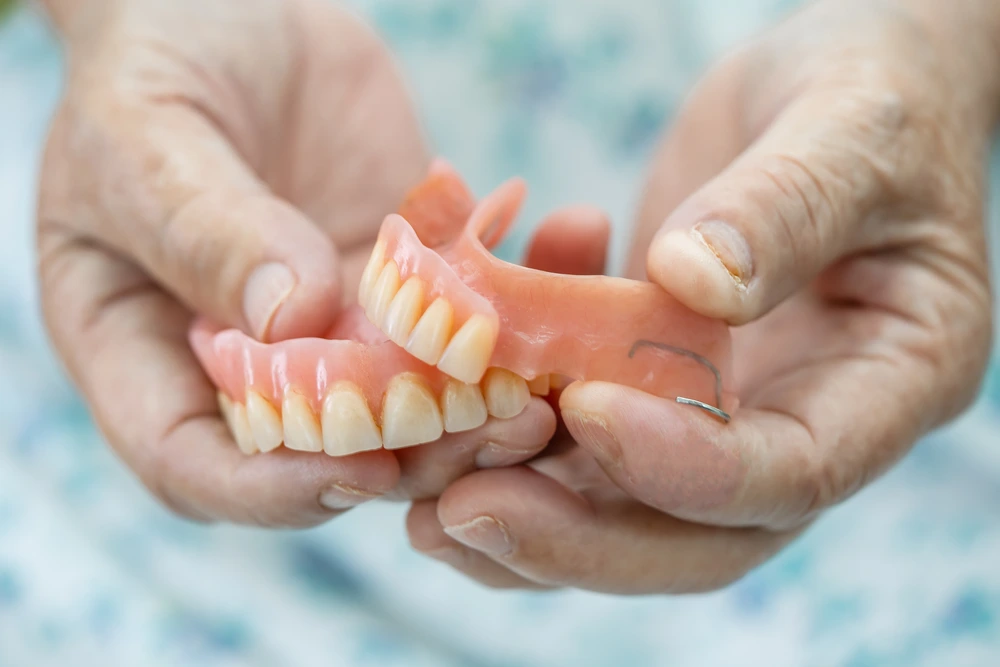
Losing a tooth can affect more than just your smile; it can impact your speech, chewing ability, and overall confidence. Fortunately, denture additions provide a practical and effective solution for those who want to restore their teeth without the need to replace an entire denture. By adding one or more artificial teeth to your existing denture, you can maintain a natural appearance and regain the functionality of your mouth. This approach is particularly useful for partial denture wearers who experience new tooth loss or damage, offering a cost-effective and minimally invasive alternative to full denture replacement.
Advances in dental prosthetics have made denture additions quicker, more precise, and comfortable than ever. With careful assessment and professional fitting, a new tooth can be seamlessly integrated into your existing denture, helping to stabilise it and improve bite alignment. This ensures that you can eat, speak, and smile confidently, while avoiding the time and expense of fabricating a completely new denture.
For residents in Ipswich, denture additions are an excellent way to restore both function and aesthetics without disrupting your daily routine. By keeping your existing denture in place, you maintain comfort and familiarity while quickly filling gaps caused by tooth loss. With professional guidance, you can enjoy a fully functional smile that looks natural and supports long-term oral health.
Why and When You Might Need a Denture Addition
Consider a denture addition in any of these situations:
You lose another natural tooth:
If you wear a partial denture and a neighbouring tooth falls out or is removed, the denture will have a new gap. In that case, instead of remaking the entire denture, a prosthetist can simply attach an extra tooth to the existing plate. This fills the new space so you can chew normally again.
A denture tooth breaks or falls out:
Sometimes a tooth on your denture chips or snaps off. Rather than discarding the whole appliance, a new acrylic tooth can be added to the plate. This is essentially a denture addition to replace a lost denture tooth.
Your denture becomes loose from jaw changes:
Over time, after tooth loss, the underlying jawbone can shrink. Bone changes may cause an old denture to become loose, and it may need to be re-lined or replaced. In many cases, a reline (resurfacing the base) is used, but if bone loss creates new spacing or alters tooth position, an addition of acrylic or a new tooth may be needed to restore fit.
To maintain face shape and bite balance:
Missing teeth can make cheeks look sunken and the bite uneven. Filling those gaps helps support facial muscles and evenly distribute bite force. Even adding a single tooth back can prevent your face from appearing collapsed and make chewing easier on the opposite side of the mouth.
In short, dentures often need additions when changes in your mouth occur. An addition serves a similar purpose: accommodating new changes without a full remake. Anytime you lose teeth, break denture teeth, or feel your partial has gaps, it’s time to see a dentist or prosthetist about an addition. They will examine your denture and mouth to decide the best solution.
The Denture Addition Process
The process of getting an addition is generally straightforward. First, you meet with a dental professional who inspects your denture and remaining teeth. If an addition is appropriate, they will take an impression (mould) of your current denture. This captures the exact shape of your old denture and your gums.
Next, the denture and impression go to a lab. Skilled technicians attach new acrylic material and a matching artificial tooth to your existing denture base. The new tooth is carefully shaded to blend with your others. Because the bulk of the denture remains the same, the result feels very similar to your original plate.
Finally, you return to the clinic for a fitting and any adjustments. The dentist ensures the added tooth sits comfortably and that your bite feels normal. The fit should be almost identical to before, so there’s typically little or no “break-in” period. Your prosthetist will polish the appliance and give you instructions on care.
- Who does the work? A qualified dental prosthetist usually performs denture additions. Dentists can also handle them, especially if they have an in-house or partner lab.
- How long does it take? Many modern clinics have on-site labs, so simple additions can sometimes be done in a single day. Even if a same-day service isn’t available, you’ll usually have your denture back within a week. The exact time depends on lab availability.
- What about comfort? Because most of the denture is unchanged, your new tooth should feel very natural. You may be asked to wear the denture for a day or two and return if any fine adjustments are needed.
In short, a denture addition process is like building on what you already have. It’s often faster and more convenient than starting over. No stitches, no tooth extractions, and minimal downtime are required.
Benefits of Denture Additions
Denture additions offer several advantages compared to replacing the entire denture:
Saves time and money:
You only pay for the added tooth(s), not for a whole new denture. Clinics often charge a fraction of the cost of a new plate. And if they have a lab on-site, the work can be done much faster. Some providers boast same-day additions, so you spend only hours instead of weeks with a gap.
Familiar fit and comfort:
The majority of your denture stays the same. That means the feel in your mouth is almost identical to what you’re used to, and you won’t need a long adjustment period. You avoid the soreness or speech issues that sometimes come with a brand-new denture.
Quick smile restoration:
Getting a missing tooth back in place quickly is not just convenient; it often makes eating and talking more natural sooner. Since dentures already improve function, adding a missing tooth means you can continue to chew, speak, and smile as you did before.
Maintains oral health and facial support:
Filling that gap helps distribute bite force evenly, preventing undue wear on the other side of the jaw. It also helps support facial muscles so that your cheeks and lips don’t sag. Essentially, an addition keeps your oral system balanced. Dentures generally help prevent the sunken look of missing teeth, so adding teeth reinforces that benefit.
Below is a quick comparison of denture-related services:
| Service | Description | When It’s Used |
| Denture repair | Fix cracks, chips, or loose parts of an existing denture | When the denture is damaged but still fits fine |
| Denture addition | Add new teeth or material to an existing denture base | After additional tooth loss or when a denture tooth breaks off |
| Denture reline | Reshape the interior of the denture base to fit the gums better | When a denture becomes loose (the bone has shrunk or changed shape) |
| New denture | Fabricate a completely new full or partial denture | When an old denture is very worn, broken beyond repair, or when many teeth are missing |
Caring for Your Dentures After an Addition
Once your denture addition is done, care for it the way you would any denture. Good hygiene keeps your mouth healthy and prolongs the life of your appliance. Therefore:
Clean daily: Remove your dentures and brush them with a soft brush and mild soap or denture cleaner at least once a day. This removes plaque and prevents staining.
Soak and remove at night: Take your dentures out at night to let your gums rest. Taking dentures out at night and cleaning them regularly. Soak them in water or a denture solution overnight as recommended.
Rinse well: Always rinse your dentures before putting them back in (especially after soaking or cleaning).
Handle carefully: Dentures can break if dropped, especially after an addition has been made. Clean them over a towel or basin of water.
See your dentist/prosthetist regularly: Even after an addition, keep up dental visits. You should see a dental professional at least yearly to check that dentures still fit correctly. This ensures any future changes (like more bone loss or tooth loss) are caught early.
Taking good care of the updated denture helps keep the new tooth in good shape. Avoiding sugary snacks and drinking plenty of water also helps maintain oral health. If you notice any discomfort, looseness, or sore spots after an addition, schedule a follow-up. Denture adjustments are a normal part of maintenance.
Conclusion
Restoring a smile after tooth loss doesn’t always mean replacing your entire denture. Denture additions provide a practical, cost-effective solution that allows you to add one or more teeth to your existing denture, improving both function and aesthetics. Whether you’ve experienced natural tooth loss, damage to a denture tooth, or changes in your jaw over time, this process can help maintain a natural-looking, comfortable smile while avoiding the expense and inconvenience of a new denture.
For patients in Ipswich and surrounding areas, services like same-day denture additions, partial denture tooth additions, and emergency denture repairs make it easy to maintain your oral health and smile. By restoring your bite, stabilising your denture, and filling gaps seamlessly, these solutions extend the life of your existing dentures and preserve your facial appearance.
At Raceview Complete Denture Care, we specialise in high-quality, customised denture solutions tailored to your needs. Book a free consultation today to explore options like denture additions, repairs, and relines, and take the first step toward restoring your smile with comfort, confidence, and precision.
FAQs:
What exactly is a denture addition, and how is it different from a repair?
A denture addition is the process of attaching one or more new artificial teeth to your existing denture plate. It “increases the number of teeth” on the denture. In contrast, a denture repair fixes damage (like cracks or breaks) in the denture without adding new teeth. Both services keep your denture usable. An addition is chosen when you need to replace missing teeth on the denture, while a repair is used to restore a broken or worn part.
When should I consider getting a denture addition?
Any time you lose a tooth after you already have a partial denture, you should talk to a dentist about a denture addition. For example, if a neighbor tooth in your partial falls out, adding a tooth to the denture fills that gap. It’s also wise if a denture tooth breaks or if you feel a new space in your bite.
Are denture additions a cost-effective alternative to new dentures?
Yes. Denture additions are generally much more affordable than fabricating an entirely new denture. Because the existing denture remains mostly unchanged, you only pay for the added tooth or teeth and any adjustments needed. This approach saves time, reduces disruption to your daily routine, and extends the life of your current denture.